Nutrition
What Actually Changes Nutritionally After 50
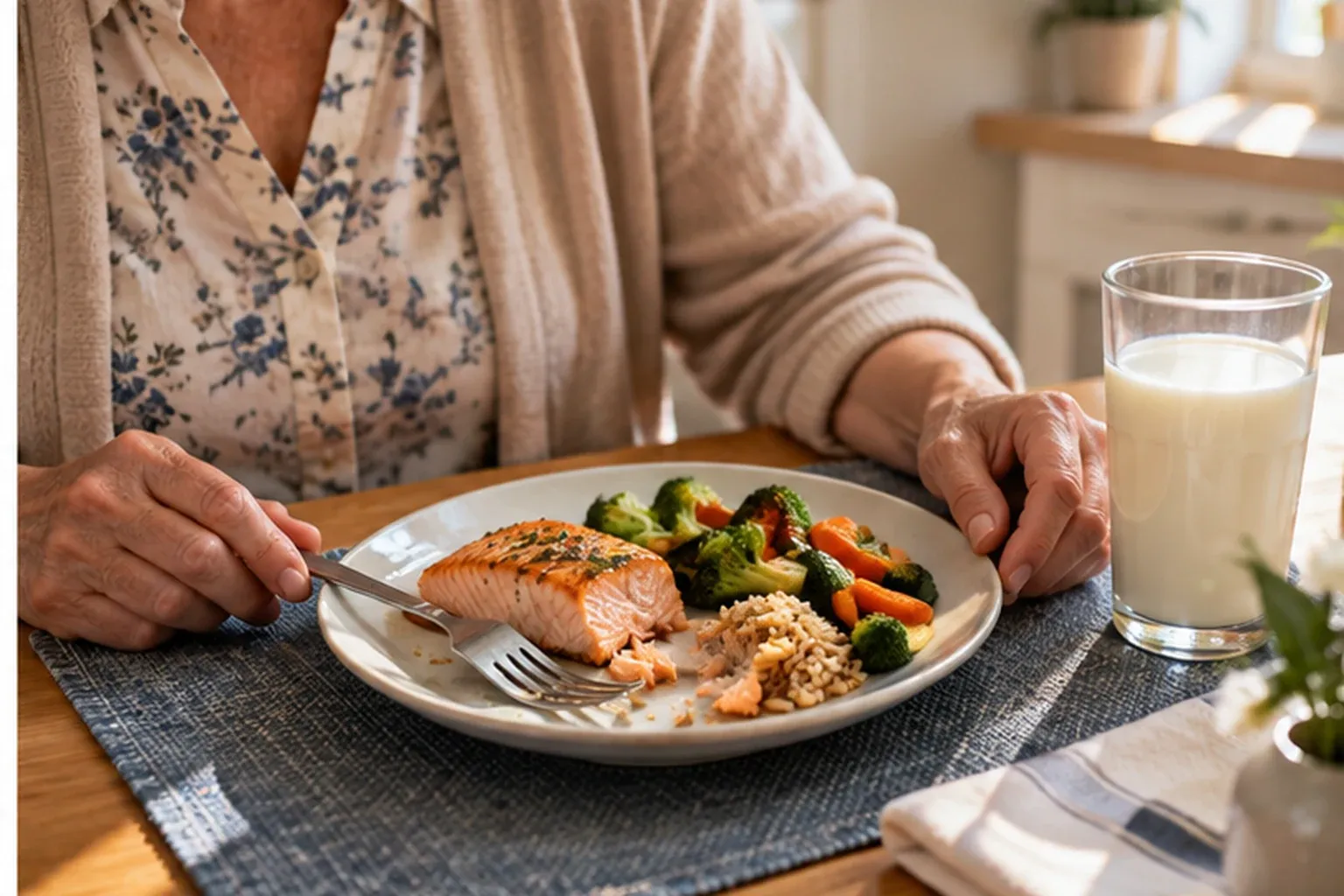
You may need less food now. You don't need less of what's in it. That quiet gap is most of the nutritional story after 50.
Nutrition
You may need less food now. You don't need less of what's in it. That quiet gap is most of the nutritional story after 50.
WFR Explains
Trouble falling asleep and trouble staying asleep are two different problems, and each has its own explanation.
You’re tired at bedtime, but sleep just doesn’t start.
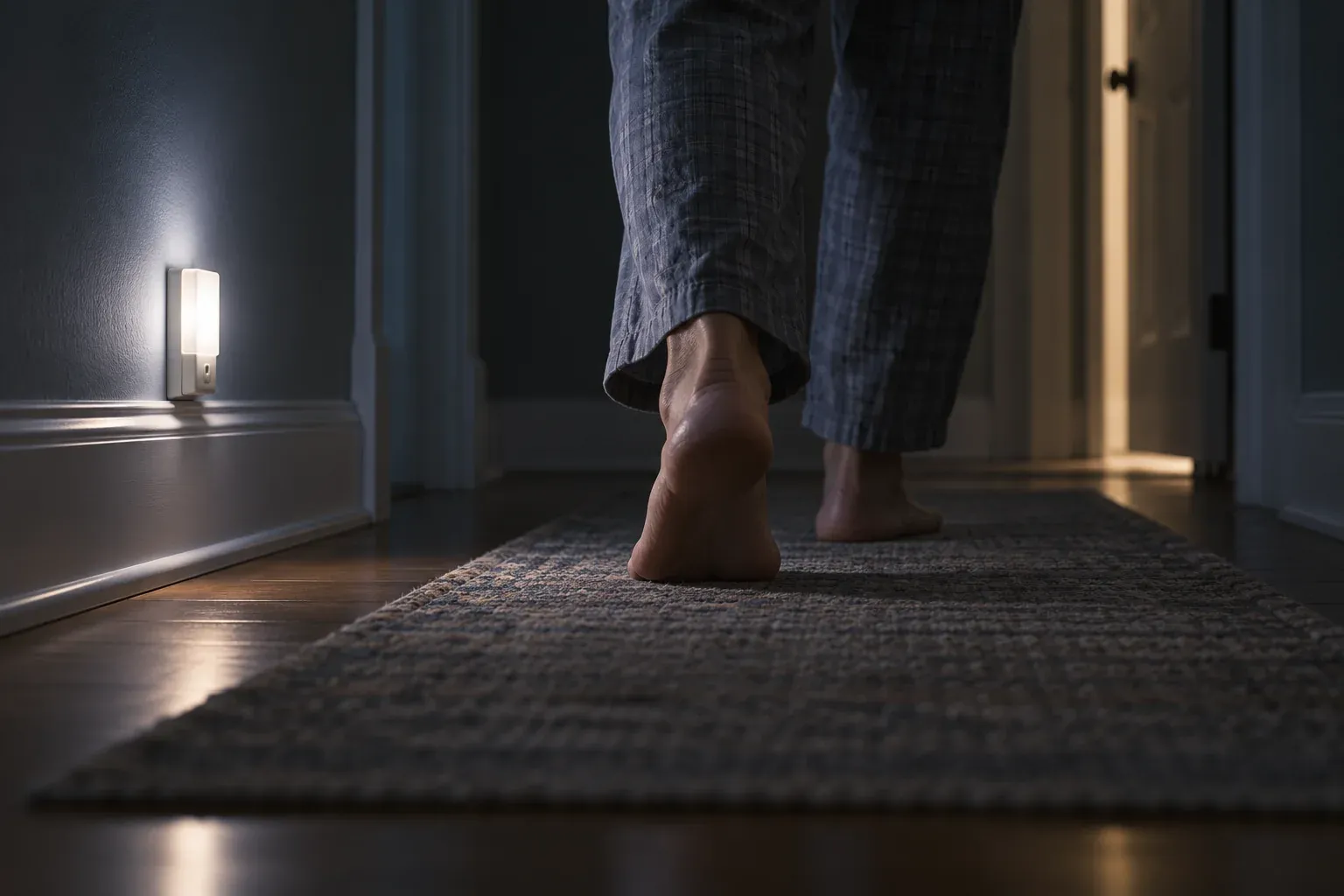
You drop off easily, then wake in the night and can’t get back down.
You’re up before the alarm, whether you want to be or not.
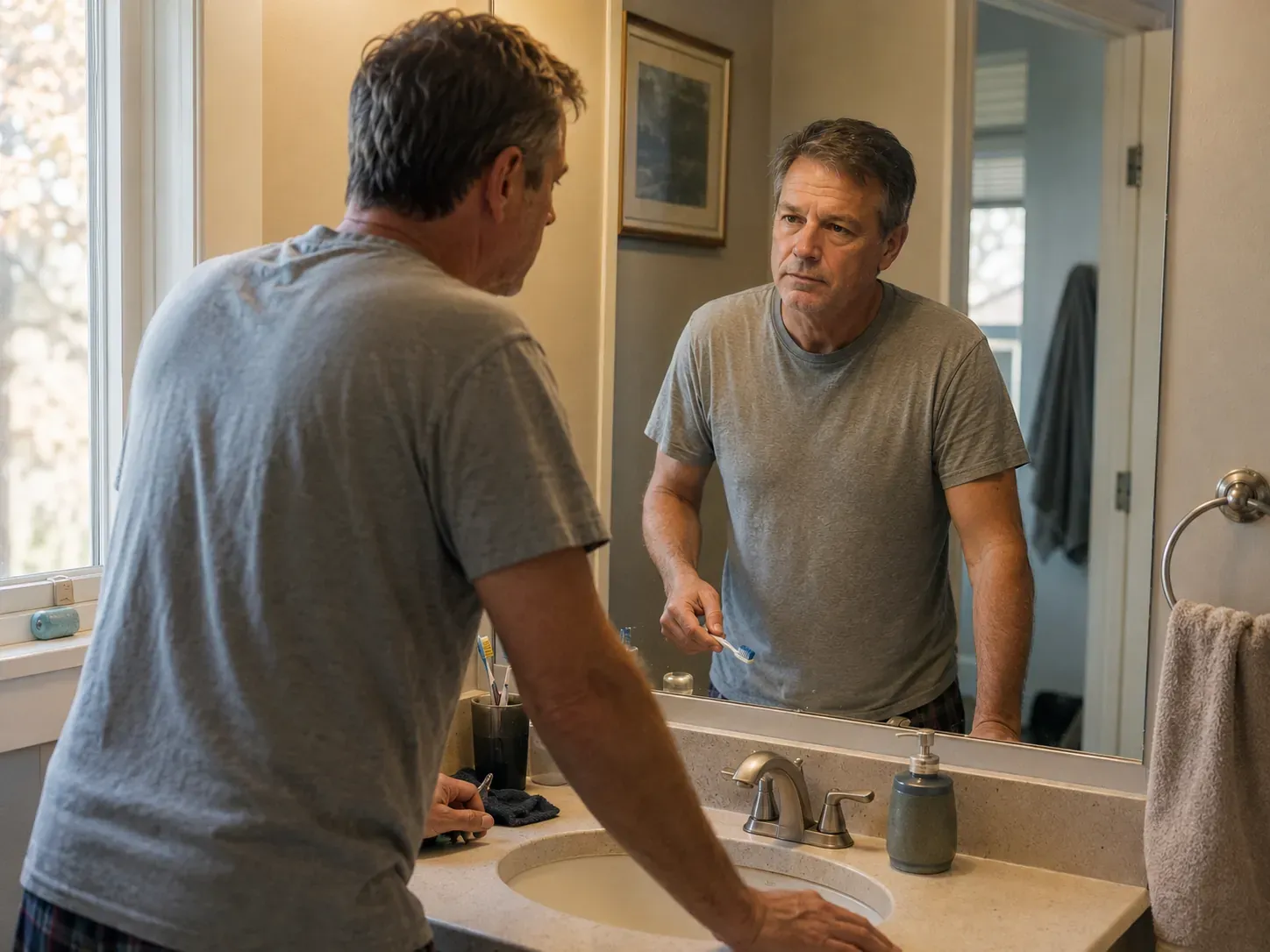
A name that won’t come. A paragraph you read twice.
These patterns follow how the National Heart, Lung, and Blood Institute describes trouble sleeping, and Cleveland Clinic names falling-asleep and staying-asleep insomnia as separate types — not a WFR invention, and not a diagnosis. Timelines are illustrative: solid line asleep, open line awake.
What the research found
Broken nights were linked to more lost work time.
$4,328 vs. $3,000
Estimated yearly lost-wage costs per employed adult: people reporting middle-of-the-night awakenings vs. matched people without insomnia, in a 2011 U.S. survey. An association in self-reported data, not proof the awakenings caused the gap.
Source: Nature and Science of Sleep, 2014 (peer-reviewed; funded by Purdue Pharma)
Editors' selection
Weight Management
Start with the job, not the label. What helps depends on whether you're on a GLP-1, stopping one, or never used one, and on what you actually need help with.
Brain & Focus
Forgetting a name isn't a diagnosis. Neither is deciding on your own that it can't be. Here's the actual line, and how to know which side you're on.
Hair Health
Start with the pattern, not the product. The right next step for a shed after a hard few months isn't the right one for a wider part, a broken hairline or a patch.
Healthy Aging
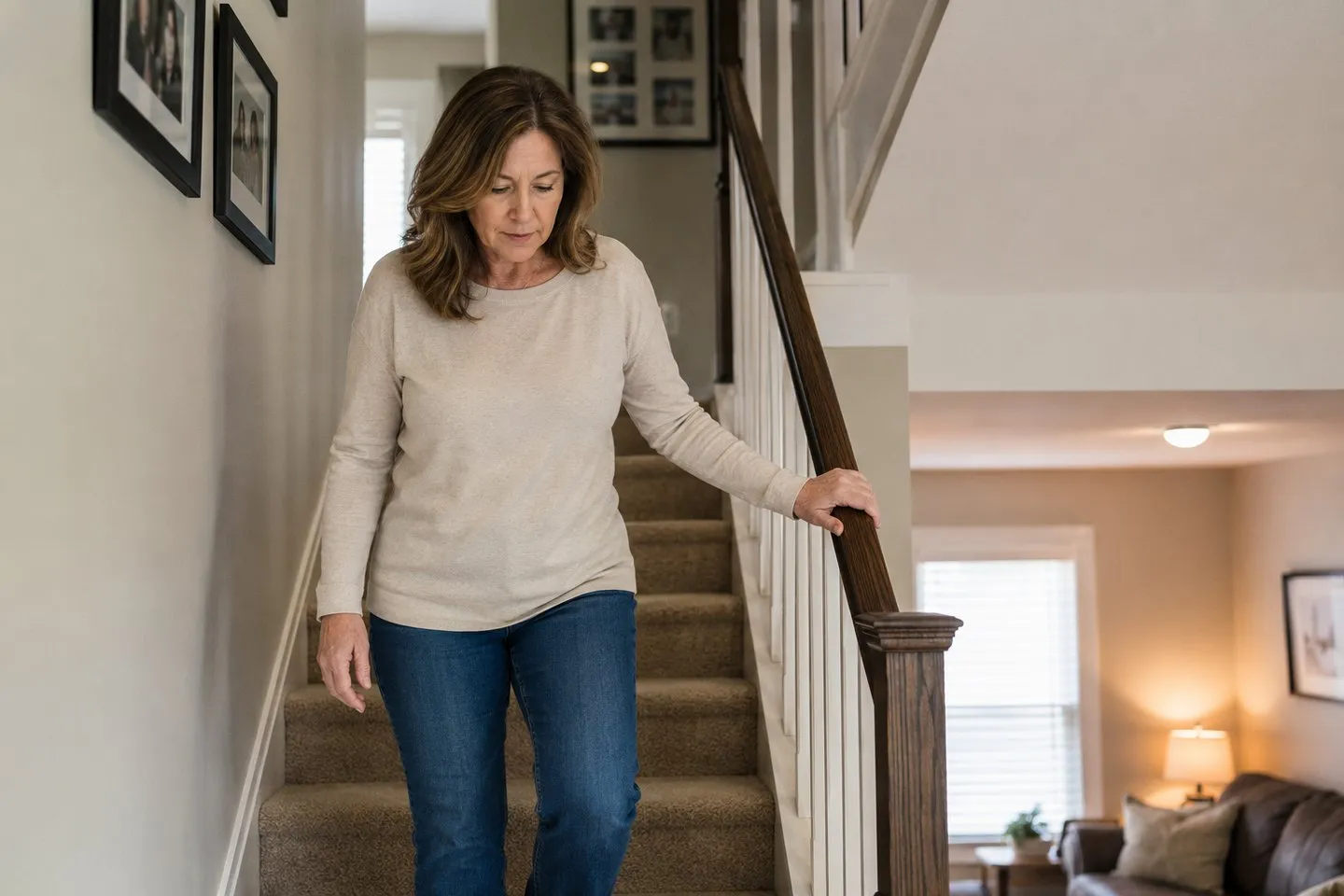
The right response depends on the kind of swelling, not on the swelling itself. Here's how to tell which pattern you're looking at, and what actually has evidence behind it for each.
Newest guides
WFR guides start from a specific thing readers notice and explain what the research does and doesn't support. When WFR may earn a commission from a link, the page says so.
Tell the editors which question you'd like covered: [email protected]. Please leave out personal health details.
It isn't live yet, so there's no sign-up and no email is collected here.